
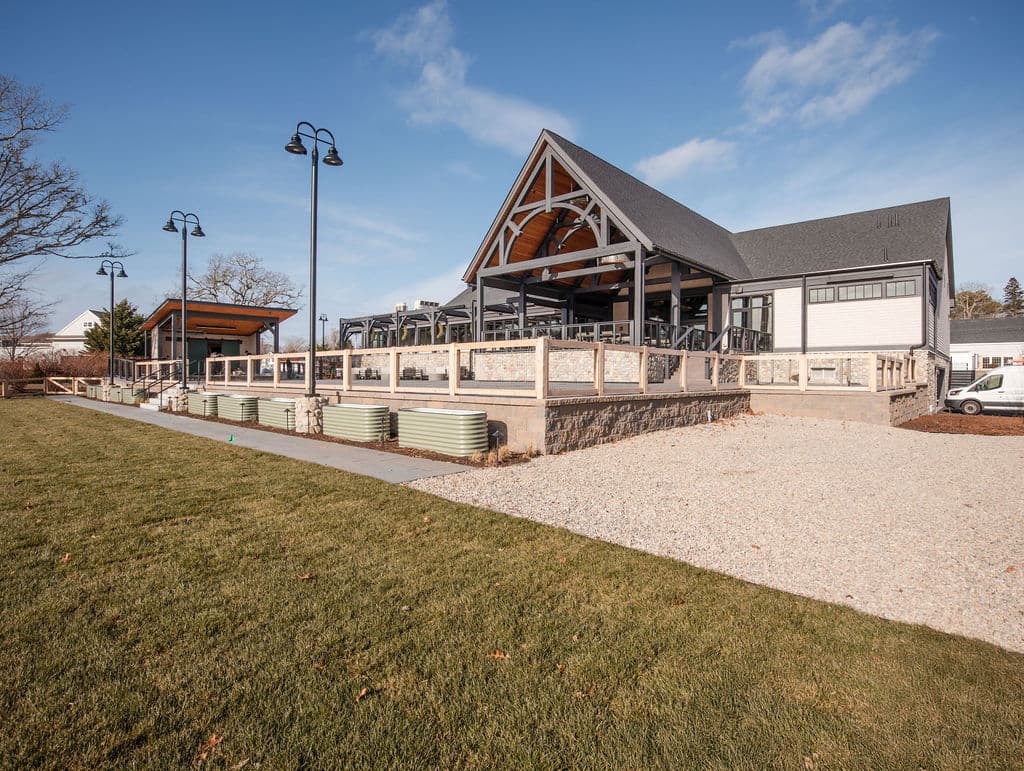
As a property manager or facility director in Massachusetts, you know that spring is more than just a season of renewal—it’s a critical time to prepare your commercial properties for the year ahead. After the harsh New England winters, with their heavy snowfalls and biting cold, your properties in areas like Stoughton, Brockton, or along the busy corridors of Route 24 need targeted care to restore curb appeal, ensure safety, and protect long-term value. A well-executed spring maintenance plan isn’t just about aesthetics; it’s about minimizing liability, attracting tenants, and maintaining operational efficiency.
At Hynes Landscaping, with over 25 years of experience serving more than 145 towns across Massachusetts, we’ve seen firsthand how proactive spring preparation transforms commercial spaces. Whether you manage office parks, retail centers, or industrial complexes, this checklist is designed to help you prioritize tasks and partner with a trusted landscaping provider. Let’s dive into the essential steps to get your properties ready for spring, tailored to the unique challenges of the Bay State’s climate and regulations.
Why Spring Maintenance Matters for MA Commercial Properties
Spring in Massachusetts is unpredictable—think April showers, lingering frost, and sudden warm spells. For property managers, this transitional season brings unique challenges, from repairing winter damage to preparing for summer foot traffic. Neglecting spring maintenance can lead to costly issues down the line, like drainage problems during heavy rains or overgrown landscapes that deter prospective tenants. A strategic approach ensures your property not only looks its best but also complies with local ordinances in towns like Stoughton or Canton, where municipal codes often dictate landscaping and safety standards.
Moreover, first impressions are everything in commercial real estate. A well-maintained exterior signals professionalism and care, whether you’re managing a corporate campus near Boston or a strip mall in the South Shore. Let’s break down the key areas to focus on this spring to keep your properties in top shape.
1. Assess and Repair Winter Damage
Massachusetts winters are brutal, with snow, ice, and salt taking a toll on commercial landscapes. Start your spring checklist by conducting a thorough assessment of your property. Look for cracked walkways, damaged hardscaping, and areas where snow plows may have torn up turf or curbing. In regions like Norfolk County, where Hynes Landscaping is based, salt runoff from winter treatments can degrade soil health, so testing and amending soil near parking lots is a smart move.
Repairing hardscape elements like patios or retaining walls should be a priority to prevent trip hazards—a major liability concern for property managers. Additionally, check for tree limbs weakened by heavy snow or ice storms, as these pose risks to tenants and visitors. Partnering with a professional landscaping team ensures these repairs are handled efficiently, with an eye for both safety and aesthetics.
2. Clean Up Debris and Refresh Mulch Beds
After winter, your property is likely littered with debris—fallen branches, leaves, and trash accumulated under snowbanks. A comprehensive spring cleanup is non-negotiable for maintaining a polished look. This process includes clearing parking lots, walkways, and green spaces, especially in high-traffic areas where first impressions matter most.
Mulch beds also need attention. Winter weather often displaces mulch, leaving plant roots exposed and beds looking unkempt. Refreshing mulch not only enhances visual appeal but also protects plants from Massachusetts’ fluctuating spring temperatures. Opt for organic mulch options that decompose slowly, providing long-term benefits to soil health. For properties near busy roads like Route 138, consider darker mulch colors to mask dust and grime from traffic.
3. Inspect Irrigation Systems for Efficiency
With spring rains on the horizon, irrigation might seem like a low priority—but think again. A malfunctioning system can lead to overwatering or dry patches, both of which damage lawns and increase water bills. In Massachusetts, where water conservation is increasingly regulated, especially in towns under the Massachusetts Water Resources Authority, an efficient irrigation system is a must.
Schedule a professional inspection to check for leaks, clogged sprinkler heads, or misaligned coverage. Early spring is the ideal time to recalibrate systems before summer heat sets in. For larger commercial properties, consider smart irrigation technology that adjusts watering based on weather forecasts—a cost-effective solution for facility directors managing multiple sites.
4. Plan Seasonal Plantings for Curb Appeal
Spring is the perfect time to introduce seasonal plantings that boost your property’s appeal. For Massachusetts properties, choose hardy plants that can withstand late frosts, such as pansies, tulips, or native perennials like coneflowers. These add pops of color to entranceways and common areas, creating a welcoming environment for tenants and visitors.
Work with a landscaping provider familiar with the local climate to select plants suited to your specific region. For example, properties near the coast in Plymouth County may need salt-tolerant species, while inland areas like Stoughton benefit from drought-resistant varieties. Thoughtful plantings also demonstrate environmental stewardship, a growing priority for tenants and corporate clients.
5. Address Lawn Health and Fertilization
A lush, green lawn is a hallmark of a well-maintained commercial property, but achieving it in Massachusetts requires strategic care. Winter compaction and salt damage often leave lawns thin or patchy, so spring aeration and overseeding are critical steps. Aeration improves soil drainage—a must given the heavy clay soils common in much of the state—while overseeding fills in bare spots.
Fertilization should be timed carefully to avoid runoff during spring rains, which can violate local environmental regulations. Opt for slow-release fertilizers that nourish lawns over time without overwhelming waterways. If your property borders sensitive areas like the Neponset River watershed, consult with a landscaping expert to ensure compliance with state and local guidelines.
6. Prepare for Pest and Weed Control
Spring brings new growth, but it also awakens pests and weeds that can undermine your property’s appearance and health. Crabgrass, dandelions, and invasive species thrive in Massachusetts’ temperate spring climate, so early intervention is key. Pre-emergent herbicides can stop weeds before they take hold, while targeted pest control protects ornamental plants and trees.
For commercial properties, integrated pest management (IPM) is the gold standard, minimizing chemical use while maximizing results. This approach aligns with Massachusetts’ strict pesticide regulations and appeals to eco-conscious tenants. Regular monitoring by a professional team ensures issues are caught early, preventing costly infestations down the line.
Key Takeaways for Spring Commercial Property Maintenance in MA
To wrap up, here are the essential points every Massachusetts property manager and facility director should keep in mind for spring preparation:
- Winter Damage Assessment: Identify and repair cracks, broken hardscaping, and weakened trees to ensure safety and curb appeal.
- Debris Cleanup: Clear debris and refresh mulch beds to maintain a professional appearance across parking lots and green spaces.
- Irrigation Checks: Inspect and recalibrate systems to prevent water waste and comply with local conservation rules.
- Seasonal Plantings: Enhance entrances with hardy, climate-appropriate plants for a welcoming first impression.
- Lawn Care: Aerate, overseed, and fertilize lawns to combat winter damage and promote healthy growth.
- Pest and Weed Management: Use proactive treatments and IPM strategies to protect landscapes while adhering to state regulations.
By addressing these areas, you’ll position your commercial properties for success throughout the year, from spring blooms to summer vibrancy.
Ready to Elevate Your Property This Spring? Trust Hynes Landscaping
At Hynes Landscaping, we understand the unique demands of managing commercial properties in Massachusetts. With over 25 years of experience and a presence in more than 145 towns, we’re equipped to handle every aspect of your spring maintenance checklist—from debris cleanup to irrigation optimization. Our team is committed to delivering premium results that enhance your property’s value and appeal. Don’t let spring challenges catch you off guard. Contact Hynes Landscaping today for a tailored consultation and see why property managers across the South Shore and beyond trust us to keep their spaces pristine. Let’s make this spring your property’s best yet!